Throughout our lives, many of us will lose our hair for a variety of reasons – and one of the most common triggers is stress. You may not realise it, but along with all the mental symptoms, there are a handful of physical symptoms of stress too, one of the most worrying is hair falling out. Thankfully, if you are noticing bald patches or your hair is thinning, it will grow back in time. If your hair loss is caused by genetics or ageing, there are no treatments for this – although you could opt for the best hair transplant in Turkey to solve your problems! Read on to find out more about hair loss and stress.
A gentle scalp massage can be a relaxing addition to your regular hair care routine. Choosing products and grooming methods that suit your hair texture is also important, so explore this guide to identifying your natural hair curl type.
Stress can contribute to certain types of hair shedding, making it important to pay attention to changes in hair density and overall scalp health. You can also learn about scalp massage and its potential role in hair care as part of a consistent grooming routine.
Table of Contents
Hair Loss And Stress
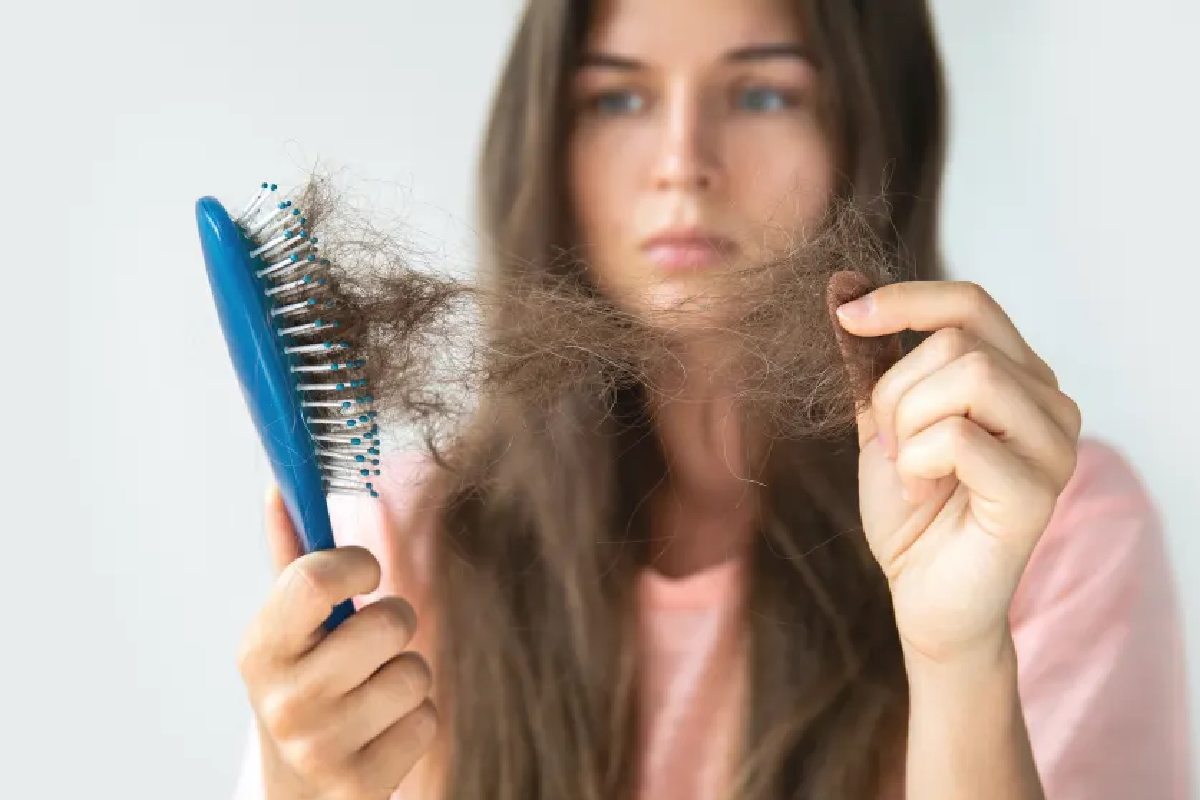
Although stress is a phycological issue, it can cause physical problems too, whether that’s a change in mood, racing thoughts or increased heart rate, as well as your hair falling out. Hair loss and stress go hand in hand, and you might find that if you go through a particularly stressful or traumatic time in your life, you may notice your hair thinning, or even coming out in clumps.
There are 3 main types of hair loss that you can experience when you’re stressed that we will look at in more detail below, but thankfully, it is usually a temporary issue – so try not to worry! If you’re experiencing unusual hair loss, it is always best to consult with your doctor just to make sure you have no underlying issues.
Choosing the right hair and beard clipper can make grooming easier and help you maintain your preferred style at home. To keep your hair looking its best between trims, explore these tips on refreshing your hair care routine for the new season.
Main Types of Hair Loss When Stressed
- Telogen Effluvium: This type is commonly caused by stress. It occurs when more hair ends up in the ‘telogen’ phase (the phase in which hair has stopped growing), which means you experience more hair loss than normal. Stressful experiences are said to push hairs into the telogen phase, which is why stress is known as a trigger. It can take a few months for hair in this stage to fall out, so if you have recently suffered a stressful or traumatic time, it could take a few months for your hair to fall out.
- Alopecia Areata: This is another type of hair loss that may be triggered by stress. Alopecia is an immune condition that results in coin-sized areas of hair falling out, and it can often lead to a person becoming completely bald. It is said that some of those that suffer from alopecia believe it stemmed from a recent traumatic event.
- Trichotillomania: This is a different type of hair loss, still brought on by stress, but the hair does not fall out naturally, it is pulled out. Sufferers of this condition get the urge to pull out their own hair, not just on their head but all over the body – eyebrows and eyelashes included.
Ingrown hairs can develop when hair curls back into the skin, sometimes causing irritation or small bumps after shaving. Using appropriate grooming techniques may help reduce irritation, so consider these tips for choosing a suitable hair and beard clipper for your grooming needs.
So, there are a few types of hair loss that could be brought on by traumatic events. Whether it happens straight away, or a short time after, losing your hair can still be a cause for concern. But what happens to the body for this to happen?
Understanding your natural curl pattern can help you choose suitable styling methods and hair care products. If you’re exploring different ways to change your look or add volume, learn about the different types of hair wigs available for various styles and preferences.
Why Does It Happen?
When we’re stressed, it can cause a fight, flight, or freeze response within our bodies. This is a state that is said to help us survive and respond to stressful, scary, or worrying situations. Our bodies take it upon themselves to release stress hormones to help us cope and in turn, we end up with an excess number of hormones circulating our bodies, resulting in hair loss, as well as other negative effects on the body.
Choosing a wig involves considering its texture, appearance, fit, and maintenance requirements. For those who prefer styling their natural hair, understanding your hair curl type can also help you select techniques that complement your natural texture.
How To Treat Hair Loss From Stress?
Hair that has fallen out due to stress usually results in regrowth after the situation has passed which means you must simply wait it out. If you’re struggling to manage stress, or trichotillomania is the cause of your hair loss, therapy or CBT may be the best form of action, you would need to discuss this with your doctor. If you are suffering from hair loss that is not fully growing back, you could try various ways of stimulating regrowth like shampoos and oils to be applied directly to the scalp, making sure your diet is balanced and full of nutrients, as well as steroid creams, or tablets that can be prescribed by a doctor.
Changing weather and styling habits can be good reasons to reassess your hair care routine. Along with choosing suitable shampoos and conditioners, regular grooming and trimming can help you maintain your preferred look. Read this guide to choosing a hair and beard clipper for at-home grooming.

Syeda Yasmeen is a Beauty, Skincare & Lifestyle Writer at BeauCenter with 5 years of content writing experience. She covers beauty, skincare, hair care, makeup, fashion, personal care, wellness and lifestyle.
View Author Profile
Sameena Begum is an editorial content reviewer at BeauCenter with 8 years of experience. She reviews selected beauty, wellness and lifestyle content for clarity, organisation, readability and responsible presentation.
View Reviewer Profile